About

From Builder to Designer

I've spent more than 30 years in the construction industry — as a builder before I became a designer, which means I understand a project from the ground up, not just from a drawing board.

That hands-on background shapes how I work today. I don't just draft plans; I think about how they'll actually get built, what a Council officer will query, and where a project is likely to hit friction — because I've seen those problems play out on real sites, not just in theory.

Mancini Design is a sole-practice consultancy, which means when you work with me, you work directly with me — not a rotating team of juniors. I bring in a trusted network of experienced consultants (town planners, engineers, surveyors) as each project needs them, but I stay across every detail personally from first sketch to final permit.

Working independently also means I answer to you, not to someone else's timeline. If you're still weighing up a property before you commit to it, the Pre-Purchase Planning & Risk Report can help, and this Insights piece on rising land values explains why getting the design right matters even more on a valuable site. I give clients the space to properly explore what's possible for their site and lifestyle before committing to construction — no pressure to decide before you're ready. Construction timelines can create pressure to lock in decisions before the brief is fully resolved — which is usually where costly mid-build changes come from. Working through that process calmly, upfront, with an independent designer means that by the time you bring in a builder, you already know exactly what you want.

Build (on request): charged design intent checks at key stages, with a report documenting where the build follows or departs from the design. I don’t manage or direct the builder, and I don’t carry out compliance or permit inspections.

"Design is not just about buildings; it's about creating spaces where life unfolds, dreams take shape, and memories are made. That's the essence of what I do at Mancini Design." - Phillip Mancini
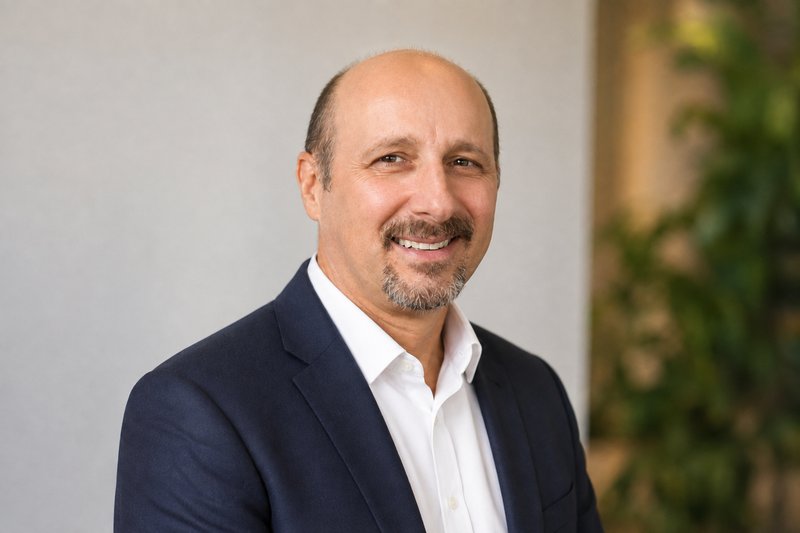
Phillip Mancini, building designer and founder of Mancini Design, St Kilda
Focus Areas

My Focus Areas

  • Navigating Victorian planning schemes: zoning, overlays, DDOs, HOs.
  • Heritage overlay compliance without compromising your design.
  • Report and Consent applications for non-compliant existing conditions.
  • Building permit documentation that meets NCC requirements.
  • Development feasibility and design advice.
  • Designing for how you’ll actually live: comfort, happiness, and a home that genuinely fits your lifestyle today and adapts with you into the future.

I've worked on projects across more than 20 Melbourne council areas — from St Kilda and Port Melbourne to Boroondara, Bayside, Stonnington and Whitehorse — along with direct experience navigating requirements from Melbourne Water, South East Water, and Yarra Valley Water. My work spans everything from heritage cottage renovations to three-storey infill developments, with extensive experience in unit developments and boarding house conversions.

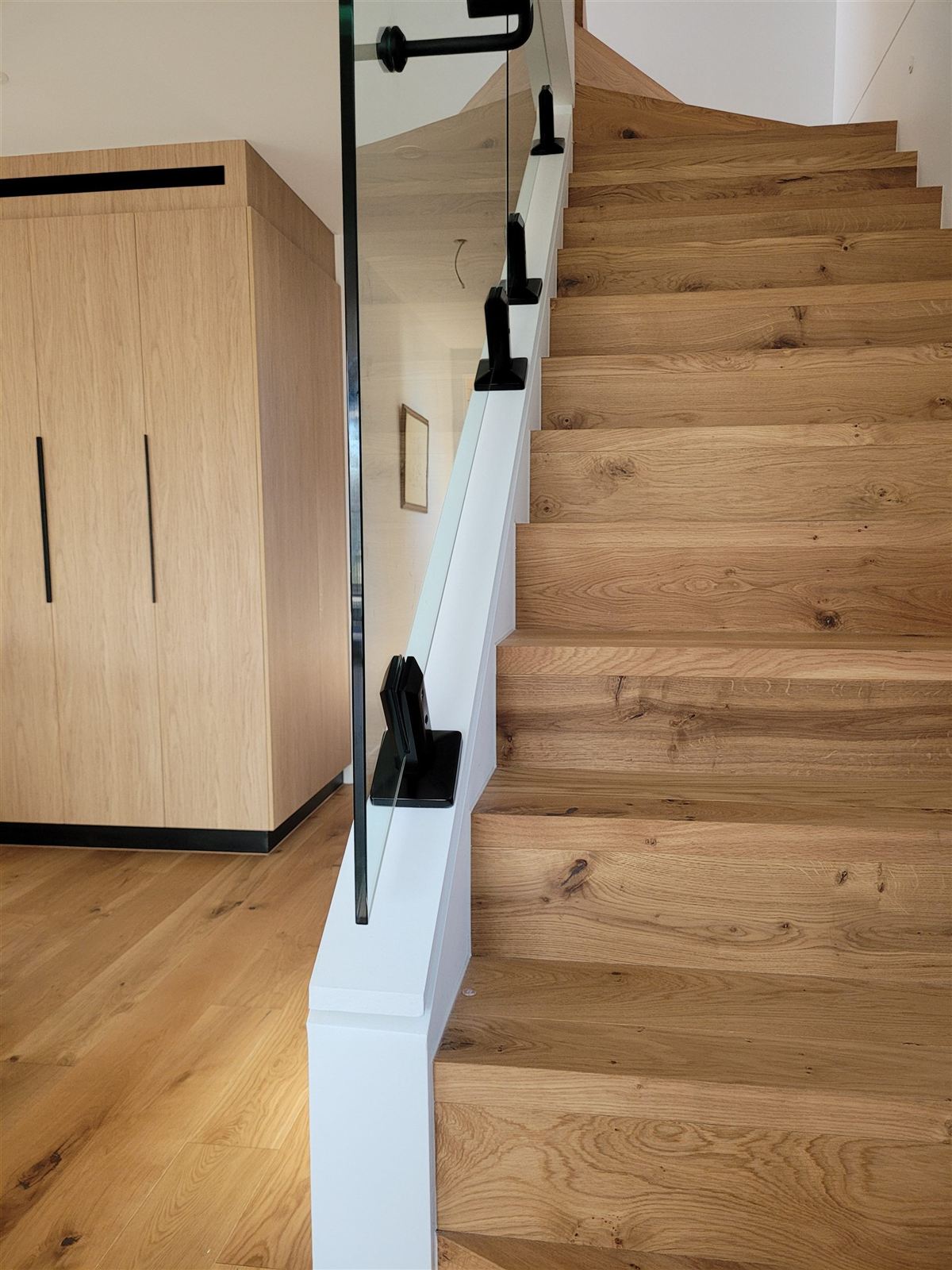
Timber staircase with glass balustrade in a St Kilda home designed by Mancini Design
Approach

My Approach

Every project runs on the same handful of principles — nothing complicated, just consistent.

  • Personalized Service: I start by listening. Every project is shaped around what you actually need, not a template.
  • Innovative Technologies: I keep up with new tools and techniques, and use them when they genuinely make the design or build better.
  • Practical & Cost-Effective Techniques: Smart, grounded decisions that protect your budget without cutting corners.
  • Sustainable Design: Homes that are good for the people living in them, and good for the planet too.
  • Collaborative Process: You'll always know where things stand — I keep the lines of communication open, start to finish.
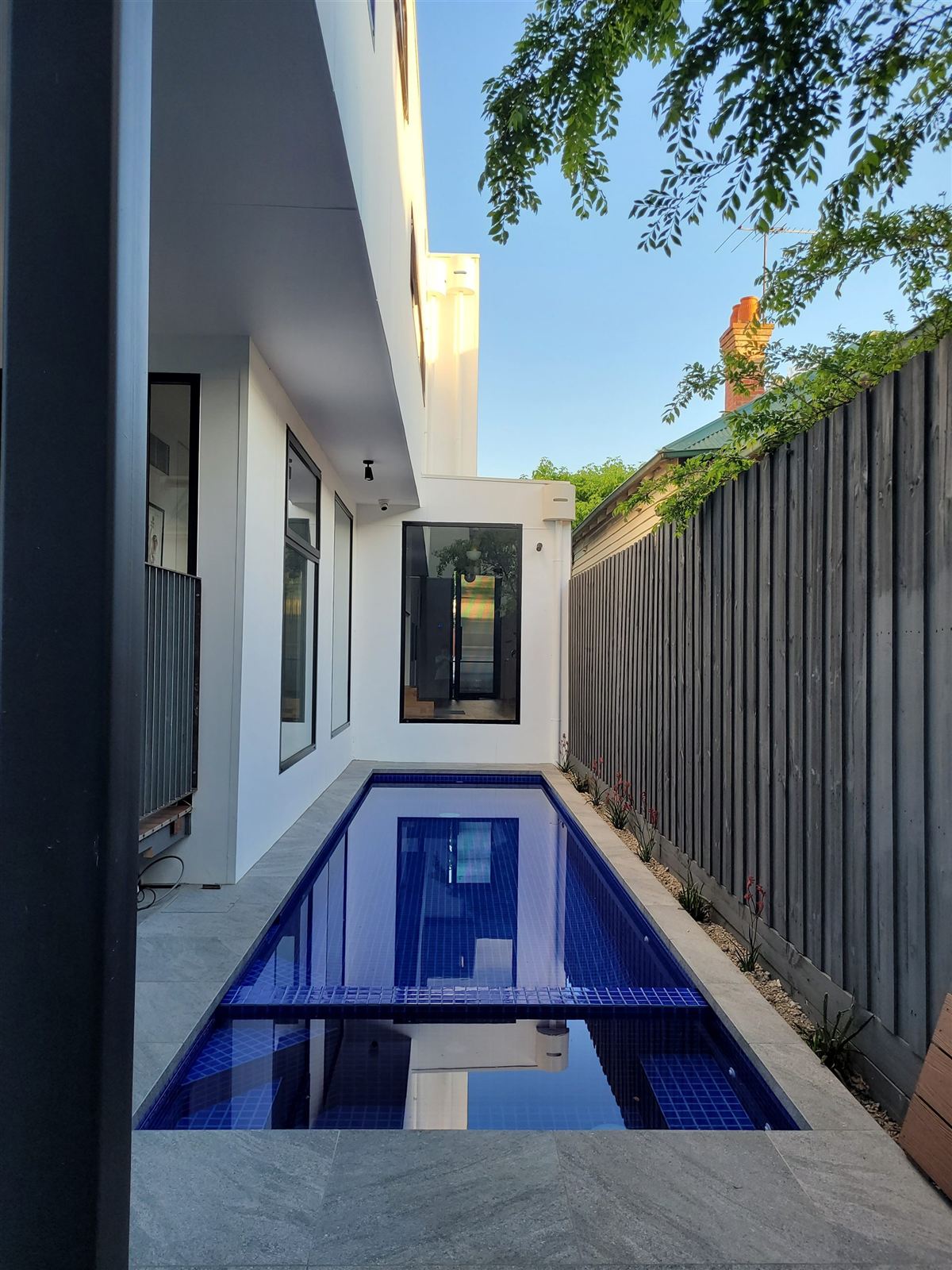
Narrow lap pool along the side of a St Kilda home designed by Mancini Design
Philosophy

My Design Philosophy

Good design isn't just about how a home looks — it's about how it feels to live in. A few things I hold onto on every project:

  • Client-Centric: Every project starts with understanding what you need and ends with exceeding what you expected.
  • Innovation: I'm always open to new methods and technologies when they lead to a better outcome.
  • Efficiency: I keep things moving — on time and within budget, without cutting corners.
  • Quality: I hold myself to a high standard, in the small details as much as the big decisions.
  • Functionality and Form: A beautiful space should still work hard for the people living in it, every single day.

It's why every home I design ends up feeling less like a structure, and more like somewhere people actually want to be.

If you're looking for someone who'll genuinely take the time to understand your project and see it through, I'd love to hear from you.

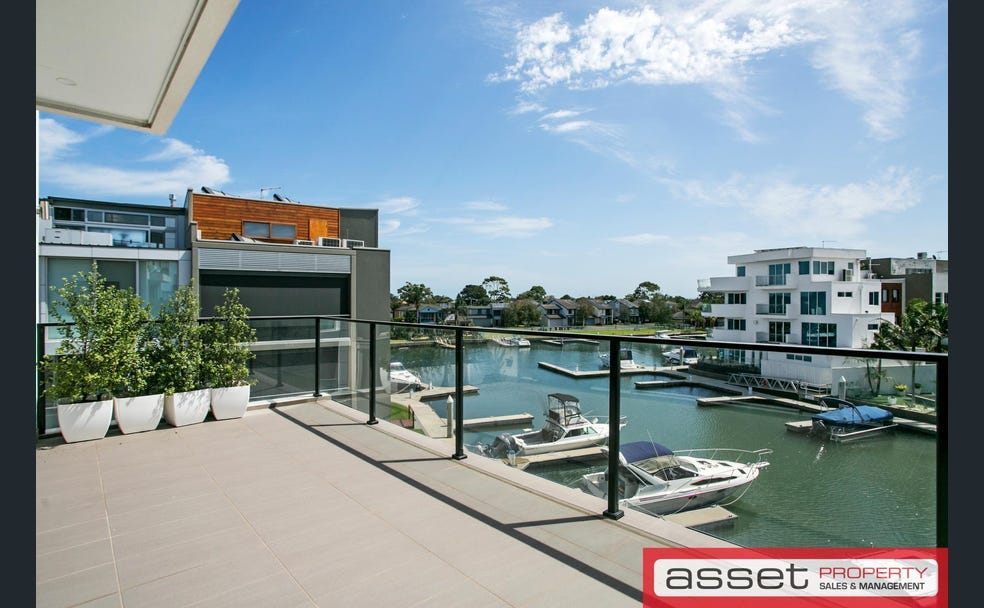
Balcony overlooking the marina at a Patterson Lakes home

Working Together, Over the Years

Notes in my own words about long-standing client relationships. These are not client reviews; see Google reviews.

A client I first worked with in Daylesford got back in touch after ten years — not for a new project, but because he wanted to let me know he’d passed my name on to a friend who’s planning a renovation. Ten years on, and I was still the first name that came to mind.

— Michael R., Daylesford

One client, Anthony, and I have worked together on several unit developments over more than fifteen years. He keeps coming back project after project, which says more about the working relationship than any single result could.

— Anthony D., repeat client since 2011

Margaret and Diane have been clients since 1995 — renovations, extensions, and now a holiday house project in progress. Three decades of work together says everything about how I like to build relationships with the people I design for.

— Margaret & Diane, clients since 1995

When David and Claire’s project wrapped up, they wrote to say it had been a pleasure working together and wished me well before my next break. That kind of note, at the end of a project, is exactly why I do this.

— David & Claire, Prahran